
Effective Property Management in Los Angeles: What You Need to Know in 2026
The scale of Los Angeles real estate creates distinct demands on professional management. According to U.S. Census Bureau QuickFacts, Los Angeles has more than 3,800,000 residents, with a significant share living in rental housing. That density stretches from Downtown Los Angeles high-rises near Grand Avenue to duplexes in Highland Park and courtyard buildings in Koreatown. In 2026, effective property management in Los Angeles requires fluency in local regulations, neighborhood-level economics, and systems that keep units occupied and compliant.
How is the 2026 rental landscape shaping property management in Los Angeles?
Market fundamentals strongly influence daily operations for property management in Los Angeles. According to Zillow, the typical Los Angeles home value as of mid-2024 sits near $923,000, after several years of moderate appreciation. That pricing pushes many households toward renting rather than owning, especially around Echo Park, Silver Lake, and Westlake. As more residents remain in rentals longer, managers handle longer tenancies, complex renewal decisions, and higher expectations for maintenance standards.
Rents add another layer of pressure. Based on data from RentCafe through 2024, average apartment rent in Los Angeles hovers around $2,800 per month, with central neighborhoods such as Downtown and Hollywood Boulevard corridors often exceeding $3,500. These amounts raise resident expectations for amenities, digital communication, and rapid response times. Property managers who monitor neighborhood rent trends weekly can adjust pricing strategies on Wilshire Boulevard, Olympic Boulevard, or Figueroa Street without overshooting the market.
Vacancy also shapes strategy. According to rental market surveys summarized by Apartment List, Los Angeles vacancy rates in recent years typically sit between 4% and 6%, depending on submarket and season. In tighter pockets such as Westwood, near UCLA, or around the Arts District, well-priced units may receive multiple qualified applications within 48 hours. In softer zones, like certain stretches of the San Fernando Road corridor, marketing may need to begin at least 30 days before expected turnover.
What legal and compliance rules define property management in Los Angeles in 2026?
Legal compliance sits at the core of professional property management in Los Angeles. The city’s Rent Stabilization Ordinance (RSO), administered by the Los Angeles Housing Department, covers many multifamily properties built before 1979. Under RSO, annual rent increases are tightly capped, often in the range of 3% to 7%, depending on formulas published each year. Managers must determine, unit by unit, whether a building on streets like Vermont Avenue, Sunset Boulevard, or Pico Boulevard falls under these protections.
Evening inspections along Santa Monica Boulevard in East Hollywood illustrate how regulations intersect with everyday experience. Neon from small markets reflects off recently painted stucco, while the smell of grilled tacos from a Virgil Avenue food truck drifts through courtyards. Residents talk softly on balconies above, and the hum of traffic along the Hollywood Freeway forms a steady backdrop. In this atmosphere, a manager posting legally compliant entry notices or RSO disclosures must communicate clearly, in multiple languages when necessary, to maintain trust.
Beyond local rules, statewide obligations frame habitability and process. According to the Judicial Branch of California, landlords must follow specified notice periods, typically 3 to 60 days, before filing any eviction case. Habitability standards, detailed in state civil code and summarized by Nolo, require safe plumbing, heating, and weatherproofing. Buildings in neighborhoods like Boyle Heights, South Los Angeles near Exposition Park, or around MacArthur Park often demand proactive capital planning to stay ahead of code enforcement timelines and inspection schedules.
How do costs and fees for property management in Los Angeles compare across neighborhoods?
Fee structures for property management in Los Angeles reflect both service scope and submarket complexity. According to surveys compiled by BiggerPockets, typical residential management fees across major U.S. cities range from 6% to 10% of collected monthly rents. In higher-rent corridors such as Downtown Los Angeles, Koreatown, and parts of Brentwood, percentage-based fees on units averaging $3,200 to $4,000 can generate strong revenue, enabling more robust staffing for leasing and maintenance coordination.
Leasing fees and ancillary charges add further variation. Many Los Angeles management firms charge a flat leasing fee between $500 and $1,000 per filled vacancy, with some instead using a fraction of one month’s rent, according to industry overviews from All Property Management. Properties near the Los Angeles County Museum of Art along Wilshire Boulevard, or around The Grove and Fairfax Avenue, often justify higher leasing fees due to intensive marketing, professional photography, and extensive showing schedules for high-demand units.
Operating expenses on the property side also vary by area. Insurance premiums for buildings within a few miles of Griffith Park or along the Los Angeles River can differ markedly from premiums near LAX, due to fire, wind, or noise considerations. Maintenance budgets for older stock in neighborhoods like Highland Park or Eagle Rock may run 10% to 20% higher than for newer construction downtown. Those differences often translate into reserve targets of at least $300 to $500 per unit annually to handle unexpected repairs without disrupting cash flow.
Which technologies and processes are modernizing property management in Los Angeles?
Technology now underpins efficient property management in Los Angeles, especially across dispersed portfolios stretching from Venice Beach to Glassell Park. Online leasing platforms allow prospective residents to complete applications, upload documents, and pay screening fees within minutes. According to adoption surveys from Buildium, more than 80% of professional managers nationwide use online payment systems, reducing delinquencies and speeding funds availability. In Los Angeles, that efficiency supports timely payouts despite banking holidays and regional events.
A late-afternoon unit tour in Echo Park shows how digital tools blend with physical space. Sunlight glints off the surface of Echo Park Lake, and the sound of ducks mixes with distant traffic from the 110 Freeway. Inside a renovated unit on Glendale Boulevard, the quiet hum of a smart thermostat accompanies the faint smell of newly refinished hardwood floors. A prospective resident scans a QR code on the kitchen counter, instantly opening an online application and scheduling automated reminders for the next steps.
Analytics and communication tools further transform operations. Property managers increasingly track lead sources, average days-on-market, and rent-collection rates on dashboards updated in real time. According to AppFolio, operators using integrated platforms often see delinquency reductions of 15% to 25%. In dense areas such as Downtown Los Angeles, Chinatown along North Broadway, and Little Tokyo near 1st Street, automated text and email notices help keep hundreds of residents informed about elevator maintenance, parking changes, or water shutoffs without overwhelming staff capacity.
How should investors select a property manager in Los Angeles for 2026 and beyond?
Selecting the right firm for property management in Los Angeles requires attention to experience, geography, and process. Track record within specific neighborhoods often matters more than overall size. A company accustomed to duplexes near USC and Exposition Park may operate differently from one focused on high-rise towers along Figueroa Street. According to NARPM, professional residential managers frequently handle portfolios of 80 to 400 units, a scale that supports standardized procedures without losing property-level focus.
Compliance expertise should also guide selection. Los Angeles includes rent-controlled stock near MacArthur Park, newer mixed-use buildings in Playa Vista, and small-lot developments in Atwater Village. Each product type interacts differently with RSO rules, state fair housing requirements, and local inspection programs. Firms that can discuss specific Los Angeles Housing Department forms, relocation-assistance triggers, and just-cause eviction rules in concrete terms generally provide stronger risk management than firms speaking only in broad generalities about California landlord-tenant law.
Service coverage and responsiveness round out the evaluation. Properties spread along Sunset Boulevard, Melrose Avenue, and La Brea Avenue may require evening and weekend availability for showings, lockouts, or emergency plumbing calls. According to industry benchmarks published by IREM, high-performing residential managers typically respond to maintenance requests within 24 hours and close non-urgent tickets within 5 to 7 days. Clear written standards, with measurable timelines, often distinguish effective Los Angeles management firms from less structured competitors.
The 3,800,000-resident scale cited at the start of this guide reflects the depth of demand that continues to shape property management in Los Angeles. That population figure from the U.S. Census underscores how even small shifts in vacancy or regulation can influence thousands of units from Venice Beach to Highland Park. The Apartment Association of Greater Los Angeles rental housing updates provide one of the most consistent real-time windows into pending ordinances, RSO adjustments, and legal decisions. Investors who register alerts there and commit to reviewing portfolio performance quarterly before the spring leasing surge typically adjust pricing and capital plans early, while those delaying such reviews until after Q2 often face higher vacancy, compressed net income, and reduced flexibility in responding to midyear regulatory changes.
FROM OUR BLOG

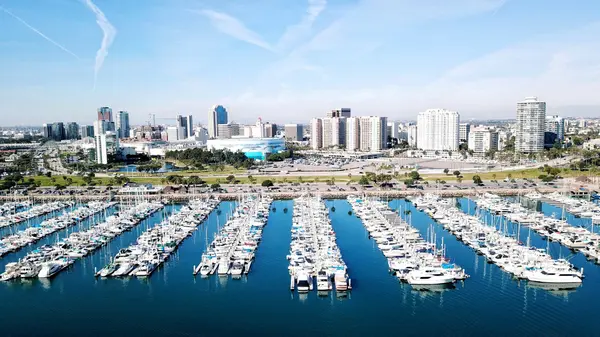
Discover Long Beach Homes for Sale: Your 2026 Comprehensive Guide
Discover Long Beach Homes for Sale: Your 2026 Comprehensive Guide Long Beach stretches across roughly 50 square miles of coastline, combining historic neighborhoods, mid‑century suburbs, and new waterfront development. Long Beach homes for sale in 2026 span compact condos along Ocean Boulevard, clas
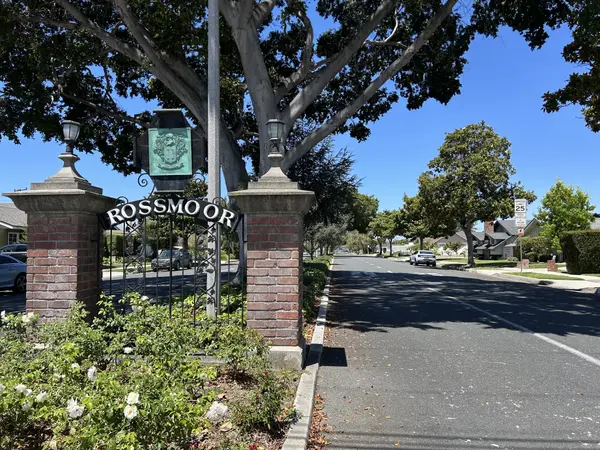
Exploring Rossmoor, CA: Luxury Homes You Can't Miss in 2026
Exploring Rossmoor, CA: Luxury Homes You Can't Miss in 2026 Rossmoor CA luxury homes continue to command attention across Orange County’s high-end market. According to Redfin, the median Rossmoor sale price hovered in the upper six figures as of early 2026, with many upgraded properties trading well

Relocating to Lakewood, CA: Essential Tips for a Smooth Move in 2026
Relocating to Lakewood, CA: Essential Tips for a Smooth Move in 2026 Relocation planning in 2026 often starts with understanding how a city functions day to day. Lakewood sits between Long Beach and Cerritos, with a Walk Score around 69, according to Walk Score, reflecting solid neighborhood walkabi