
Discover Long Beach Homes for Sale: Your 2026 Comprehensive Guide
Long Beach stretches across roughly 50 square miles of coastline, combining historic neighborhoods, mid‑century suburbs, and new waterfront development. Long Beach homes for sale in 2026 span compact condos along Ocean Boulevard, classic bungalows in Belmont Shore, and larger lots in Bixby Knolls and Los Cerritos. Diversity in housing stock, price points, and lifestyles means buyers must understand micro‑markets rather than relying on citywide averages. This guide outlines how location, amenities, schools, and timing shape opportunity across Long Beach, CA.
What Defines the 2026 Market for Long Beach Homes for Sale?
According to Redfin, Long Beach homes for sale in early 2026 typically close in a range from about $650,000 to $900,000 for many standard single‑family properties, with condos often trading between $450,000 and $650,000. That data, updated through Q1 2026, shows inventory hovering near two months, signaling a market that still favors sellers but allows buyers slightly more negotiation room than during the 2021 peak.
Based on current figures from Zillow, overall Long Beach home values have risen roughly 3% to 5% over the past year, a slower but steadier pace than the double‑digit gains seen earlier in the decade. Condensed coastal corridors like Belmont Shore and Naples Island command premiums that can push well above $1,200,000, while more inland areas near Pacific Coast Highway and Anaheim Street frequently stay closer to the mid‑$700,000s.
Walkability strongly shapes demand. According to Walk Score, Long Beach posts an overall Walk Score around 72, with Downtown Long Beach and the East Village Arts District scoring even higher. Condos near Pine Avenue, the Long Beach Transit Mall, and Shoreline Village attract buyers prioritizing car‑light living, while neighborhoods like Lakewood Village and El Dorado Park Estates appeal to residents seeking quieter, more suburban streets.
Local property taxes also influence carrying costs. The effective tax rate in Los Angeles County generally ranges from about 1.1% to 1.2%, according to estimates from SmartAsset. On a Long Beach home priced around $800,000, that translates to an annual property tax bill in the neighborhood of $8,800 to $9,600, before any specific assessments or exemptions are applied.
Which Long Beach Neighborhoods Offer the Best Value in 2026?
Bixby Knolls, stretching along Atlantic Avenue north of the 405, offers a blend of character homes and emerging retail. According to neighborhood data on Realtor.com, many single‑family Long Beach homes for sale here list between roughly $750,000 and $1,050,000. Tree‑lined streets near Los Cerritos Park and the Virginia Country Club attract buyers seeking larger lots and architectural variety, from Spanish Revivals to traditional ranch homes.
California Heights and Los Cerritos provide another pocket of relative value. Historic designation in parts of California Heights preserves 1920s and 1930s architecture, while price points often sit slightly below similar‑sized properties in Belmont Heights. Entry‑level homes in these neighborhoods frequently appear in the $700,000 to $900,000 range, based on recent closed sales tracked by Redfin. Proximity to Atlantic Avenue’s restaurants and boutiques strengthens long‑term appeal.
In Belmont Shore, late afternoon light spills across 2nd Street as cafes open their sidewalk seating and the scent of espresso mingles with salty ocean air drifting up from the beach. The low rumble of traffic along Ocean Boulevard softens behind laughter from patios at Legends and Open Sesame. Mature palms sway above compact Spanish bungalows tucked just off 2nd Street, where narrow lots and colorful stucco facades create a dense, textured streetscape that contrasts with the open sand only a few blocks away.
Buyers prioritizing price efficiency often study Wrigley and the Washington neighborhood west of Long Beach Boulevard. According to current listings on Trulia, many homes here begin in the low‑ to mid‑$600,000s, with some smaller properties occasionally dipping below $600,000. Access to the 710 Freeway, Metro A Line stations near Willow Street and Pacific Coast Highway, and future corridor improvements all suggest continued interest from commuters seeking value within city limits.
How Do Schools, Parks, and Amenities Shape Long Beach Homes for Sale?
School performance exerts a strong pull on Long Beach homes for sale. Long Beach Polytechnic High School, Wilson High School, and Millikan High School each attract attention for academics and athletics. According to GreatSchools, several Long Beach Unified School District campuses hold ratings between 7 and 9 out of 10. Properties within favored attendance zones near Lowell Elementary in Belmont Shore or Tincher Preparatory in the eastern corridors often command noticeable premiums.
Parks and open space offer another layer of value. The City of Long Beach reports more than 160 parks and related facilities, with major destinations including El Dorado Regional Park, Recreation Park, and Shoreline Aquatic Park, as detailed on the Long Beach Parks, Recreation & Marine site. Homes within walking distance of El Dorado Park’s trails or Recreation Park Golf Course often benefit from increased desirability and stronger long‑term demand.
On weekend mornings around Recreation Park, the sharp crack of golf balls leaving the driving range mingles with birdsong from mature eucalyptus trees lining 7th Street. Barbecue smoke drifts from picnic areas while children race across the grass near Blair Field, and the distant chime of the ice cream truck echoes along Colorado Street. Single‑story bungalows on nearby Roswell Avenue and Orizaba Avenue sit beneath filtered sunlight, their front lawns carrying the faint scent of freshly cut grass after the sprinklers shut off.
Amenities beyond green space also matter. Shoreline Village and the Pike Outlets bring restaurants, theaters, and waterfront promenades within walking distance of many Downtown Long Beach condos. According to ridership data from Long Beach Transit, several bus routes and the Passport shuttle provide frequent connections between Downtown, the Queen Mary area, Belmont Shore, and Cal State Long Beach. This transit web allows many residents to rely less on private vehicles, especially in denser neighborhoods near the Transit Mall.
What Should Buyers Know About Long Beach Housing Types and Architecture?
Long Beach homes for sale display nearly every architectural style found in Southern California. Craftsman bungalows dominate blocks in Rose Park and Bluff Heights, while Spanish Revival and Mediterranean properties line streets in Belmont Heights and near 3rd Street and 4th Street. Mid‑century ranch homes appear heavily in Lakewood Village and El Dorado Park Estates, where wider setbacks and attached garages reflect post‑war development patterns. High‑rise condos around Ocean Boulevard provide an entirely different vertical, urban living experience.
Downtown Long Beach and the East Village Arts District feature a significant concentration of loft‑style condos and adaptive reuse projects. According to listings compiled by Redfin, many one‑bedroom and two‑bedroom condos in these areas list from roughly $450,000 to $750,000, depending on views, building amenities, and parking. Buildings near Alamitos Beach and the Broadway corridor often trade slight distance from the core business district for quieter streets and easier access to shoreline paths.
Newer construction clusters around Douglas Park near Long Beach Airport and along Pacific Coast Highway in the Zaferia District. Townhome communities and small‑lot subdivisions here frequently emphasize energy efficiency, with modern finishes and low‑maintenance yards. According to recent marketing materials and ENERGY STAR benchmarks cited by several builders, improved insulation and high‑efficiency systems can trim energy usage by roughly 15% to 20% compared with older 1960s housing stock, reducing long‑term operating costs.
Historic preservation overlays shape renovation possibilities in districts such as Bluff Park, Carroll Park, and California Heights. Guidelines published by the City of Long Beach’s historic preservation office, accessible via the Long Beach Development Services website, outline standards for exterior changes, additions, and accessory dwelling units. These regulations aim to protect streetscapes along Ocean Boulevard, Carroll Park’s curving streets, and palm‑lined corridors in Bluff Park while still allowing thoughtful modernization of interiors and building systems.
How Can Buyers Strategize Financing and Timing for Long Beach Homes for Sale in 2026?
Financing strategy substantially influences access to Long Beach homes for sale. Federal Housing Administration (FHA) loans require a minimum down payment of 3.5%, per guidelines cited by the U.S. Department of Housing and Urban Development on HUD.gov. Conventional loans often favor down payments between 5% and 20%, depending on credit profile and property type. Condos, particularly in older buildings near Alamitos Beach and Bluff Park, may require additional scrutiny regarding HOA reserves and project approval.
Interest rate movements set the tempo for many local decisions. Mortgage rate surveys published on Freddie Mac’s Primary Mortgage Market Survey show national average 30‑year fixed rates fluctuating within a band of roughly 6% to 7% through late 2025 and into early 2026. Even a 0.5% shift in rates can change monthly payments on a $800,000 mortgage by several hundred dollars, influencing what price points feel sustainable.
Timing matters at the neighborhood level as well. Historical listing data on Zillow indicates that spring often brings a noticeable increase in Long Beach homes for sale, particularly in family‑oriented areas like Lakewood Village and Los Altos, as households plan moves around the Long Beach Unified School District calendar. Coastal neighborhoods including Naples Island and Belmont Shore sometimes see more luxury inventory surface in late summer and early fall.
Cash reserves beyond the down payment play a crucial role in older housing stock. Inspections in pre‑war Craftsman areas like Bluff Heights and Rose Park may highlight plumbing, electrical, or foundation upgrades that can reach $20,000 to $60,000 over several years. Condos near Shoreline Village or along Broadway often carry homeowners association dues between roughly $400 and $800 per month, based on current listings surveyed on Realtor.com, which must be factored into long‑term budgeting.
The 50-square‑mile footprint mentioned at the start of this guide reflects a city large enough to contain many distinct micro‑markets, yet compact enough that small shifts in location can change value quickly. That same 50-square‑mile scale underscores how neighborhood‑level data, not just citywide averages, determines long‑term outcomes for Long Beach homes for sale. The Pacific West Association of Realtors market statistics portal offers detailed snapshots of inventory, price bands, and absorption rates across Long Beach sub‑areas. Buyers who register listing alerts through that resource and commit to touring promising properties within 48 hours of activation before the late‑spring 2026 listing surge position themselves to secure better terms and avoid bidding wars that often intensify by early summer.
FROM OUR BLOG
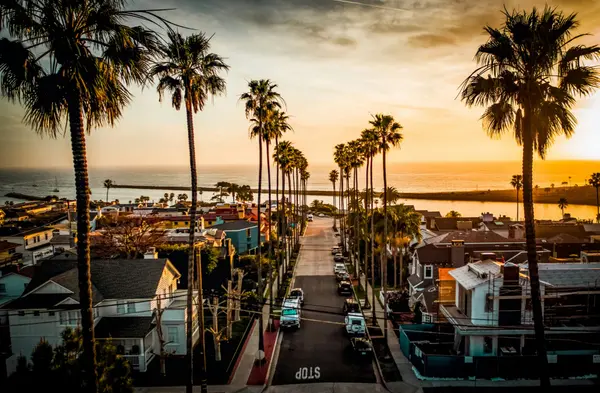
Effective Property Management in Los Angeles: What You Need to Know in 2026
Effective Property Management in Los Angeles: What You Need to Know in 2026 The scale of Los Angeles real estate creates distinct demands on professional management. According to U.S. Census Bureau QuickFacts, Los Angeles has more than 3,800,000 residents, with a significant share living in rental h
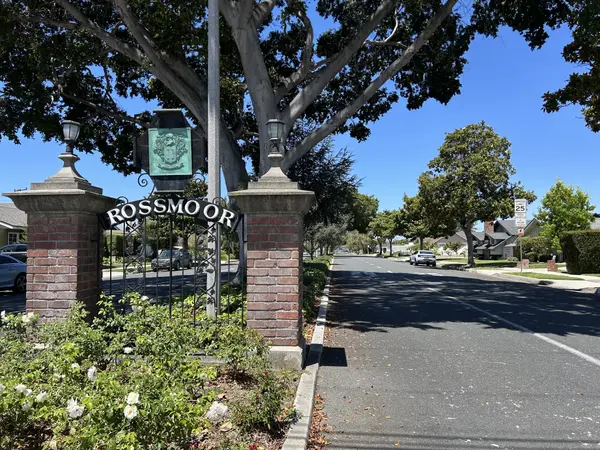
Exploring Rossmoor, CA: Luxury Homes You Can't Miss in 2026
Exploring Rossmoor, CA: Luxury Homes You Can't Miss in 2026 Rossmoor CA luxury homes continue to command attention across Orange County’s high-end market. According to Redfin, the median Rossmoor sale price hovered in the upper six figures as of early 2026, with many upgraded properties trading well
Relocating to Lakewood, CA: Essential Tips for a Smooth Move in 2026
Relocating to Lakewood, CA: Essential Tips for a Smooth Move in 2026 Relocation planning in 2026 often starts with understanding how a city functions day to day. Lakewood sits between Long Beach and Cerritos, with a Walk Score around 69, according to Walk Score, reflecting solid neighborhood walkabi